
Your website is fine. That might be the problem
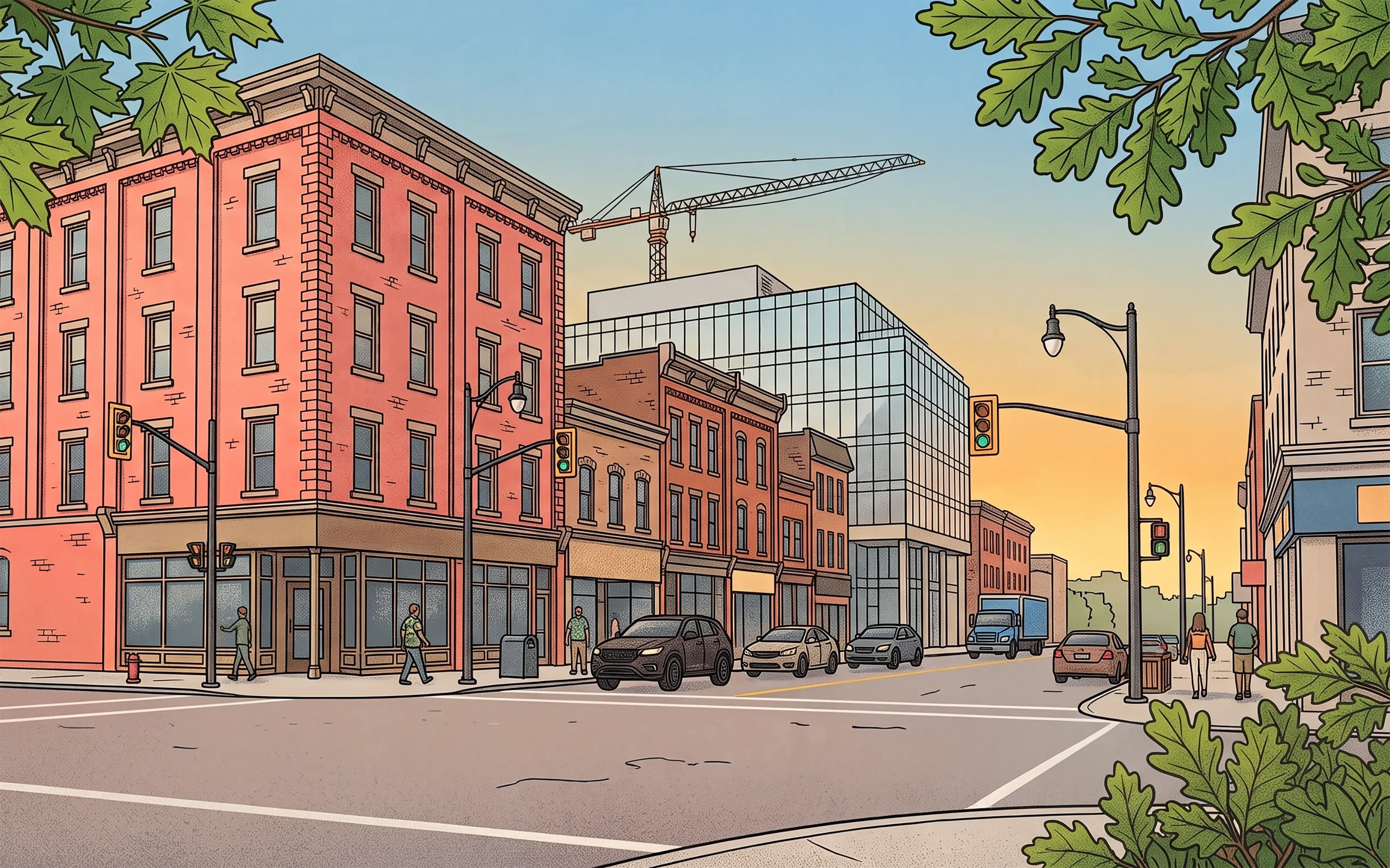
Most business owners don’t have a broken website. They have a fine one. It loads. The phone number’s on there somewhere. Nobody’s touched it since the guy who built it moved away, and nothing’s on fire, so it just sits there. Fine.
Here’s the problem with fine. Fine is invisible to you and loud to everyone else.

What “fine for now” actually costs
You know your business inside out. Your hours, your prices, whether you take walk-ins, all of it. So when you land on your own website, your brain fills in the blanks before your eyes even finish the page. It looks fine because you’re remembering it more than reading it.
A stranger doesn’t get any of that.
Picture a customer pulling up your shop at 8pm to check if you’re open tomorrow. They can’t find the hours, so they go with the place that listed them. Or someone comparing three quotes lands on your site, waits four seconds for it to load on their phone, and closes the tab before it finishes. You never hear about either one. There’s no bounced email and no missed call to tip you off. That’s the sneaky part of it: the cost of a fine website is a number you can’t see, made up of people who quietly picked someone else and never told you why.
So a broken site actually gets fixed, because it’s obviously broken. A fine site just keeps costing you, very politely, for years.
Asset or detractor, there’s no neutral
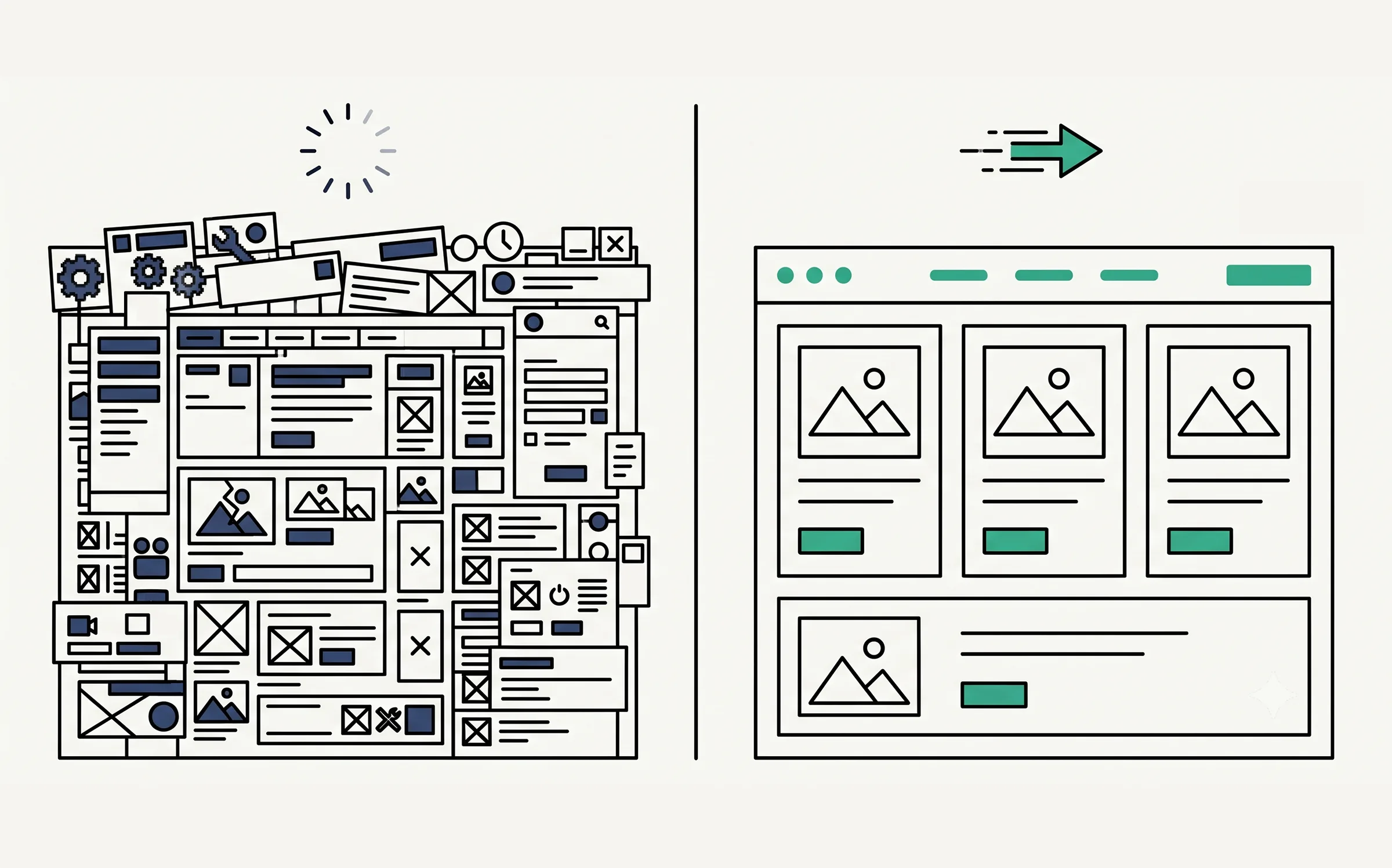
Here’s how we think about it. At any given moment, your website is doing one of two things: bringing you customers or losing them. There’s no third setting where it just sits there being harmless, even though “fine” really feels like that third setting.
A handful of things decide which way yours goes, and none of them are magic.
Speed
Every extra second your site takes to load costs you people, and most of them are gone before they’ve read a single word about you. Loads of small-business sites are heavy in ways the owner can’t see: chunky templates and huge uncompressed photos, with plugins piled on top of plugins. Clean, lightweight code is the difference between a site that opens now and one that opens eventually.
A design that actually fits the business
People decide whether they trust you in about the time it takes to blink at a page. A site that looks current and cared-for, with a real brand behind it, tells someone you’re open and you take your work seriously. A dated one says the opposite, fair or not.
Copy that does a job
Good website writing is clear before it’s anything else. It tells someone what you do, why it helps them and what to do next, in that order, fast. Most sites bury all three under a paragraph about their “passion for excellence.” Just say the useful thing first and you’re already ahead of most of your competition.
Code that’s easy to update and easy to find
Build a site cleanly and two nice things happen. You can change your hours or add a service yourself without paying someone every single time. And search engines, plus the AI tools a lot of people now use to find local businesses, can actually read your site and figure out what you offer. Keyword tricks and paid ads are a whole other thing, and we don’t do them. We mean the basics done properly: clear structure and honest content, on pages built so a machine can make sense of them. You get found because your site is genuinely good.
Put those together and your website stops being a box you ticked years ago. It starts earning its keep.
So, hello
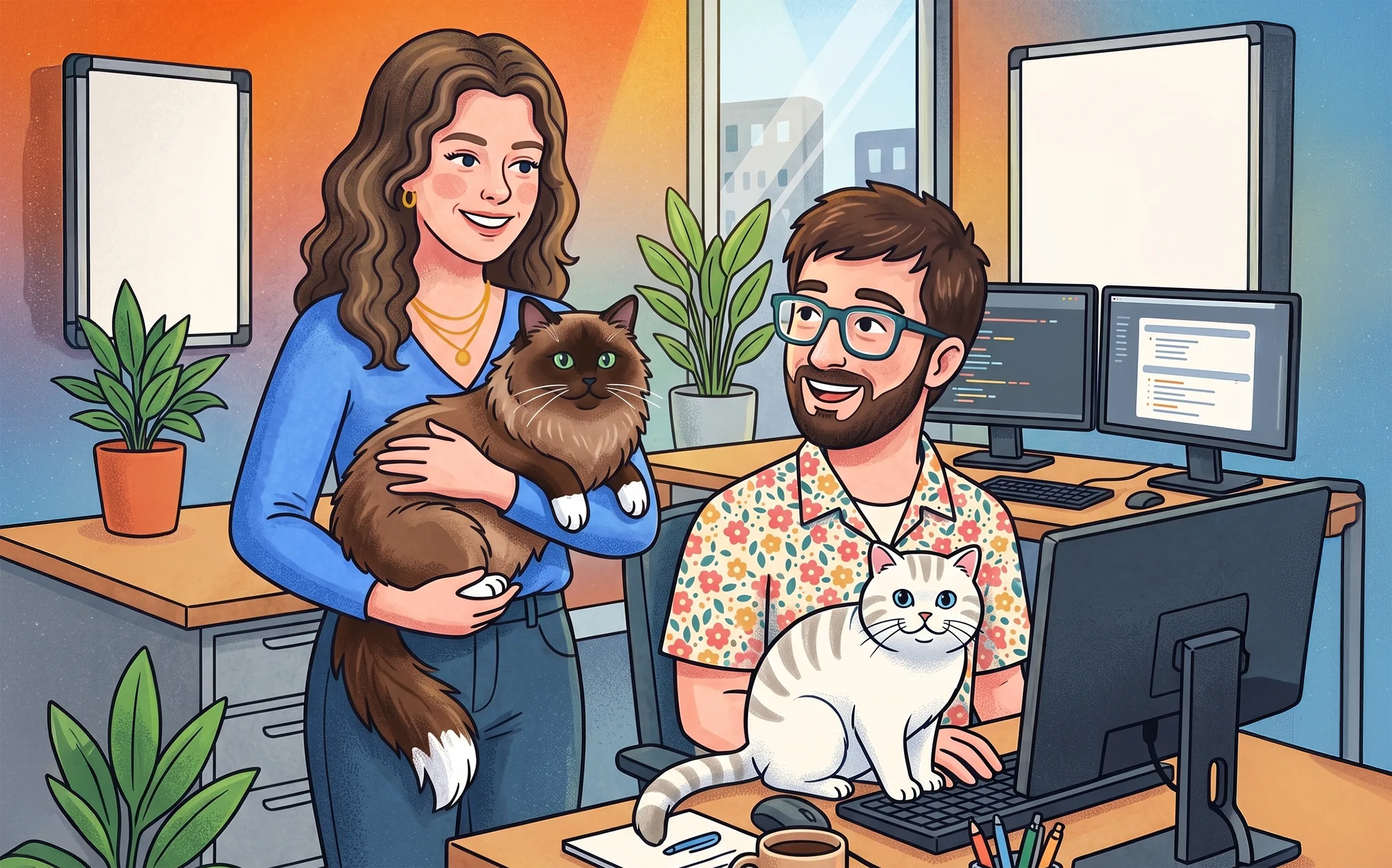
We’re Holly and Goldwin. Holly does design, Goldwin does development, and between us we’ve got roughly twenty years of experience. We’re the new kids on the block around here, and we came to shake up how small-business websites get made in Kingston.
Here’s what that actually means. We both come from the bigger end of the industry. Goldwin builds as an in-house developer for a large company. Holly designs at the agency level for national and global clients, and teaches design and HTML/CSS at the local college. We know exactly how good a website can be, because that’s the standard we build to every day.
And here’s what we keep noticing back home. Small businesses in and around Kingston are paying real money for websites that just aren’t good. Slow, dated sites that are a pain to update, put together by someone on razor-thin margins who took the deposit and moved on before the design part happened. The big firms can keep their retainers. We’re going up against the people selling those sites, on their own turf, and we’re confident we’ll out-build every one of them. Enterprise-level design and development, pointed at the businesses down the street.
We can do that because we work fast. An agile process and current tools let us build in a couple of weeks what used to take months. Same quality, far less time. The mission: build a better web for Kingston and its neighbours, one business at a time.

How we actually work
You get one fixed quote up front, sorted out on a free call before you commit to anything, and it doesn’t move unless you ask for something new. Two weeks to a month from start to live. That last part comes with one honest asterisk: we can hit that if you get us your content and your revisions on time. If the photos and copy show up the night before, even we can’t bend physics. When it’s done, the whole thing is yours: your domain and your login, with no leash tying you back to us. And it’s the same people from the first call to launch. Goldwin runs point on the day-to-day once we start, and Holly leads the design and is in for the bigger conversations. You never get handed off to a stranger.
The point
Your website is one of the only employees you’ve got working every hour you’re closed. If it’s “fine,” it’s clocked in doing the bare minimum, and you’d never let a real employee get away with that.
What fine is quietly costing you is the thing worth knowing, and then fixing.
So do this. Pull your site up on your phone and really look at it. Time how long it takes to load. See if a total stranger could tell what you do and how to reach you in five seconds flat. If you don’t love what you find, book a free call and we’ll go through it with you and give you an honest read on whether it’s worth doing anything about.
Holly

Wondering what fine is costing you?
The first call is free and takes twenty minutes. You’ll get an honest read on whether it’s worth doing anything about.